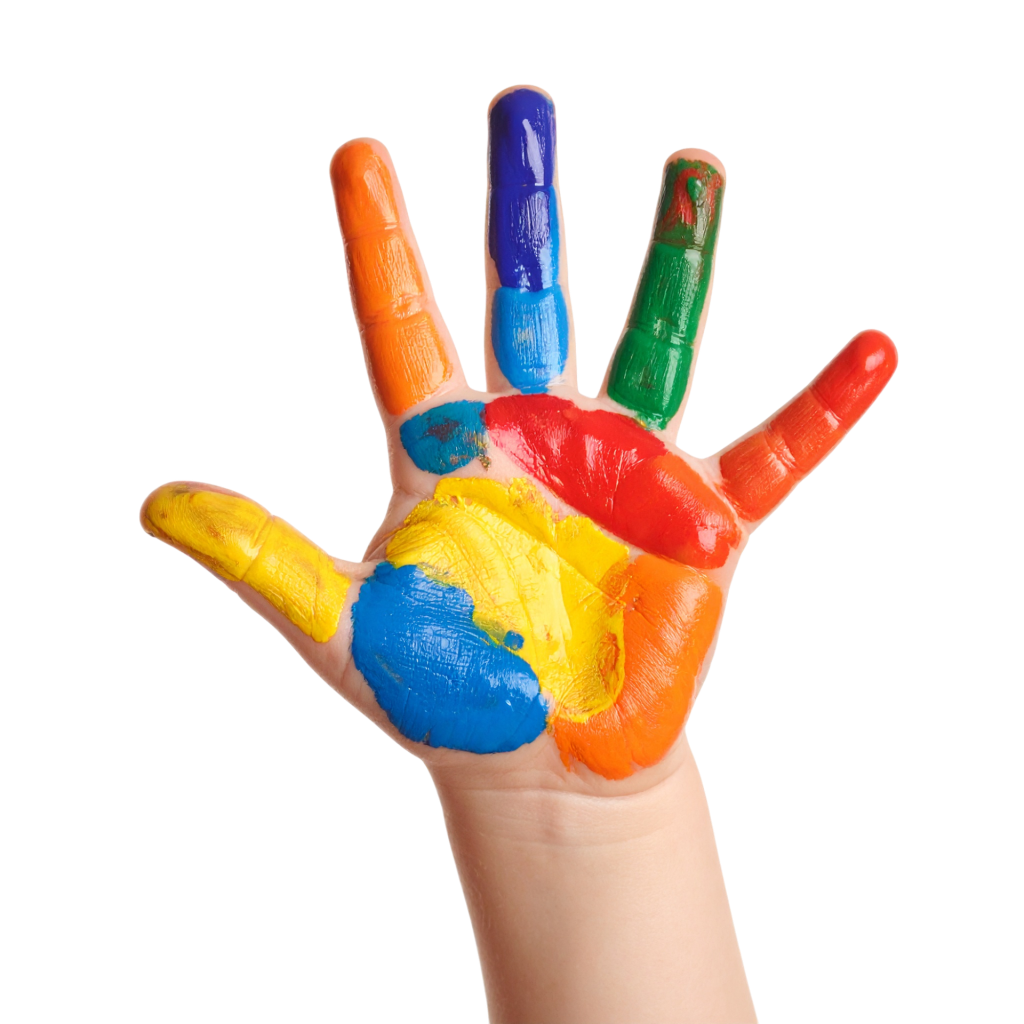
A Simple Guide for Fun, Learning, and Messy Creativity
Finger painting is one of the best early childhood activities for toddlers. At age 2, children are exploring textures, colors, and cause-and-effect—so painting with their hands (instead of brushes) is both developmentally perfect and incredibly fun.
This guide will walk you through how to set up, what you need, and simple steps to make finger painting safe, easy, and enjoyable at home or in a classroom.
Materials
Keep it simple. Toddlers don’t need much:
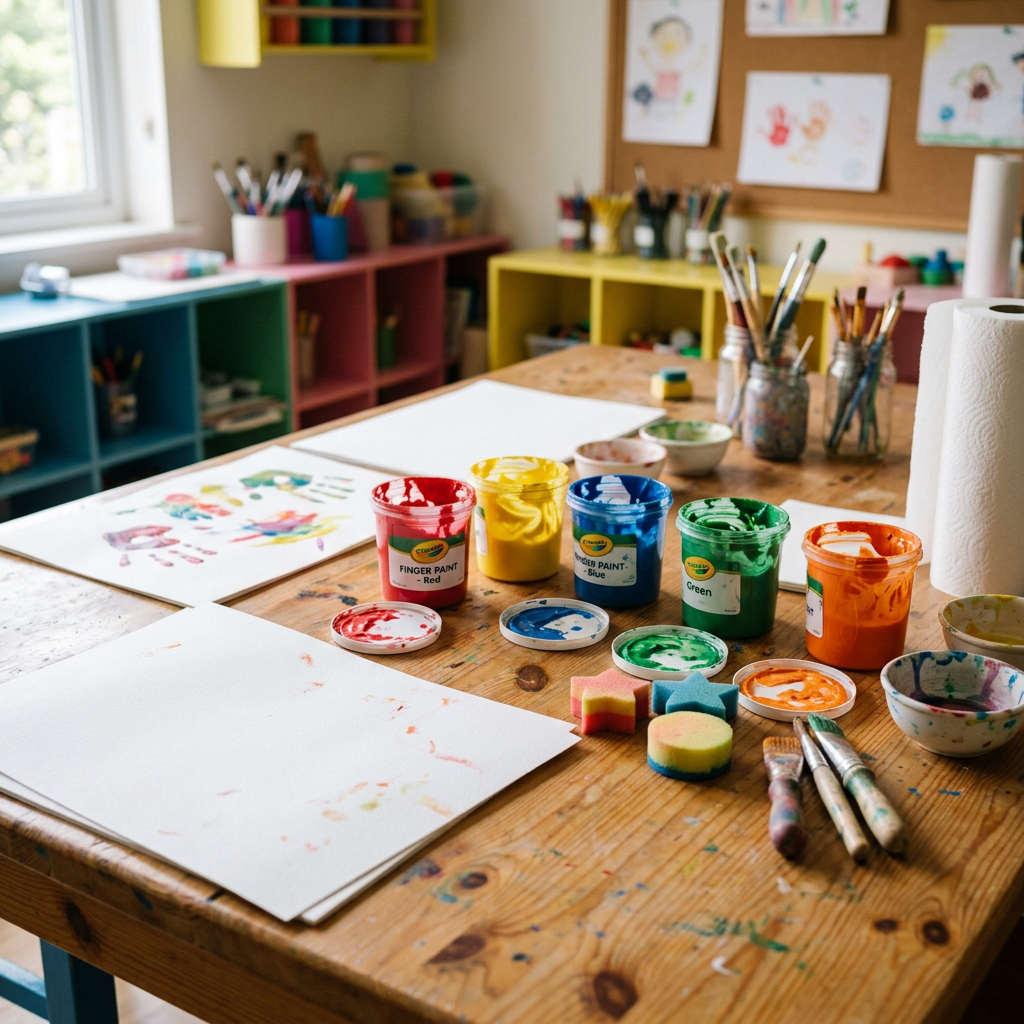
- Washable, non-toxic finger paint
- Large sheet of paper (butcher paper or cardstock works great)
- A flat surface (table or floor covered with plastic or a shower curtain)
- Baby wipes or a bowl of warm water + towel
- Optional: smocks, old t-shirts, or oversized shirts
Set Up the Space
Before inviting your toddler in, prepare everything:
- Cover the surface to protect it from paint spills
- Tape paper down so it doesn’t slide around
- Put small amounts of paint on plates or in shallow containers
- Have wipes or water nearby for quick cleanup
💡 Tip: Less paint is better! A small amount goes a long way for toddlers.
Introduce the Activity
Keep instructions short and simple:
- “We’re going to paint with our fingers!”
- “You can touch the colors and make pictures.”
Show them how to gently dip a finger into the paint and make a mark on the paper. Then let them explore freely.
Let Them Explore
At age 2, the goal is not a finished product—it’s sensory exploration.
Your child may:
- Smear paint with their whole hand
- Mix colors together
- Tap, swipe, or make dots
- Watch how paint moves and blends
Avoid correcting or directing too much. Instead, use gentle encouragement:
- “You’re mixing blue and yellow!”
- “That looks smooth!”
- “You made a big red streak!”
Keep It Calm and Flexible
Toddlers have short attention spans. Most will paint for 5–15 minutes.
If they lose interest:
- Let them stop without pressure
- Take a break and come back later if needed
- Don’t worry about mess—focus on experience
Clean Up Together
Make cleanup part of the learning:
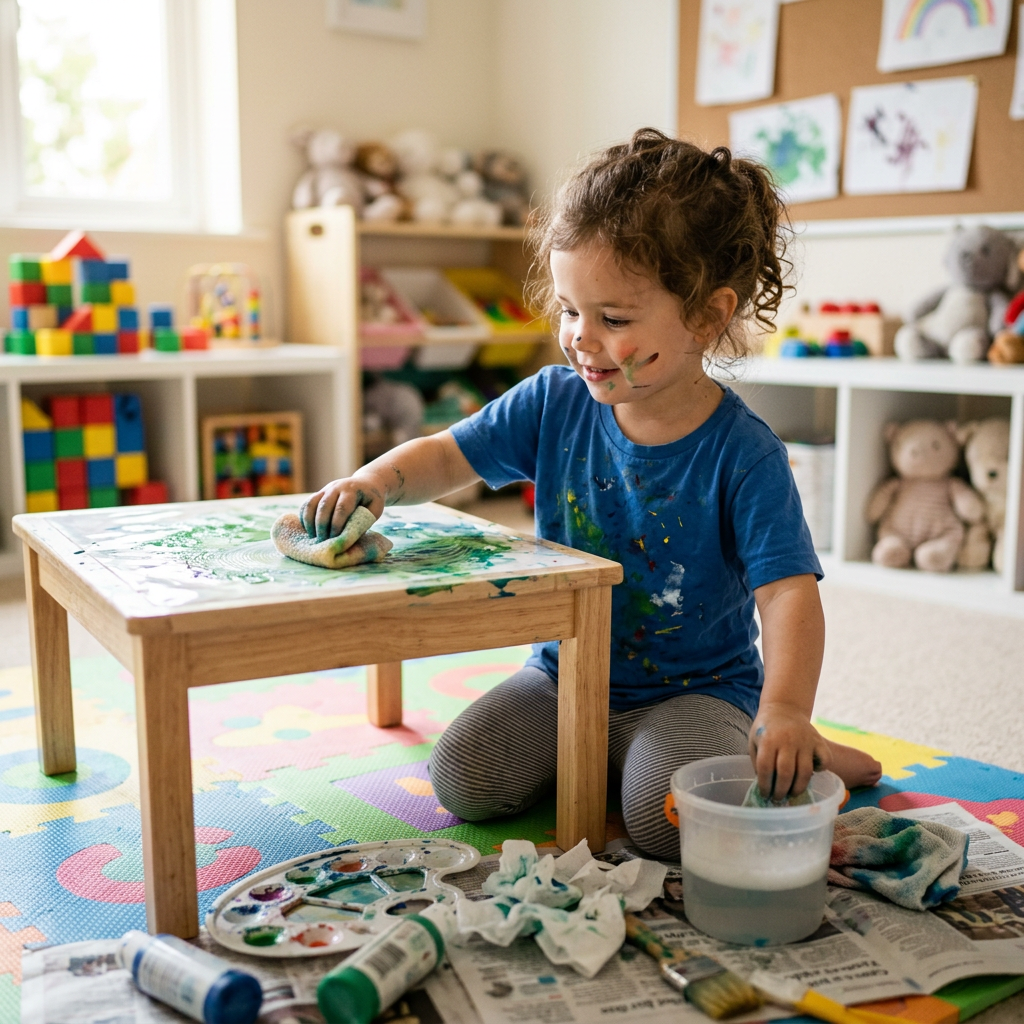
- Wipe hands together with wipes or wash at a sink
- Talk about colors while cleaning
- Let them help toss paper or gather supplies
This builds independence and routine.
Why Finger Painting Matters
Finger painting isn’t just fun—it supports important early development:
- Sensory development (feeling different textures)
- Fine motor skills (hand and finger control)
- Creativity and self-expression
- Language development (naming colors and actions)
- Emotional regulation (calming, open-ended play)
💛 Final Thought
For a 2-year-old, finger painting is not about making “art”—it’s about discovering the world through touch, movement, and color. The more relaxed and playful the experience, the more meaningful it becomes.
So set up the space, embrace the mess, and enjoy watching little hands turn paint into discovery.

 Tiny Hands Learn
Leave a comment