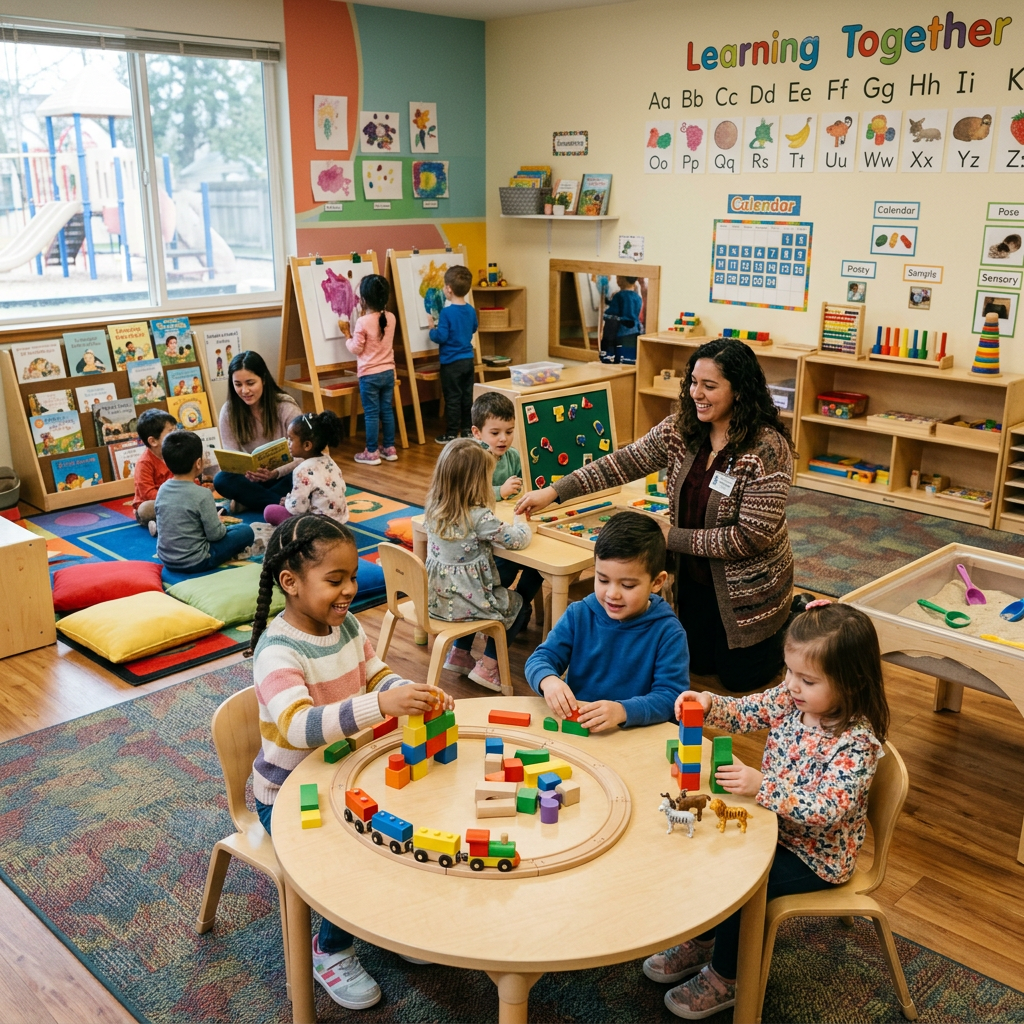
Toddlers are constantly learning through play. At age 2, children are building important cognitive skills like memory, problem-solving, language, attention, and understanding cause and effect. Simple everyday activities can help strengthen these skills while keeping learning fun and natural.
Here are 10 easy activities that support cognitive development for 2-year-olds.
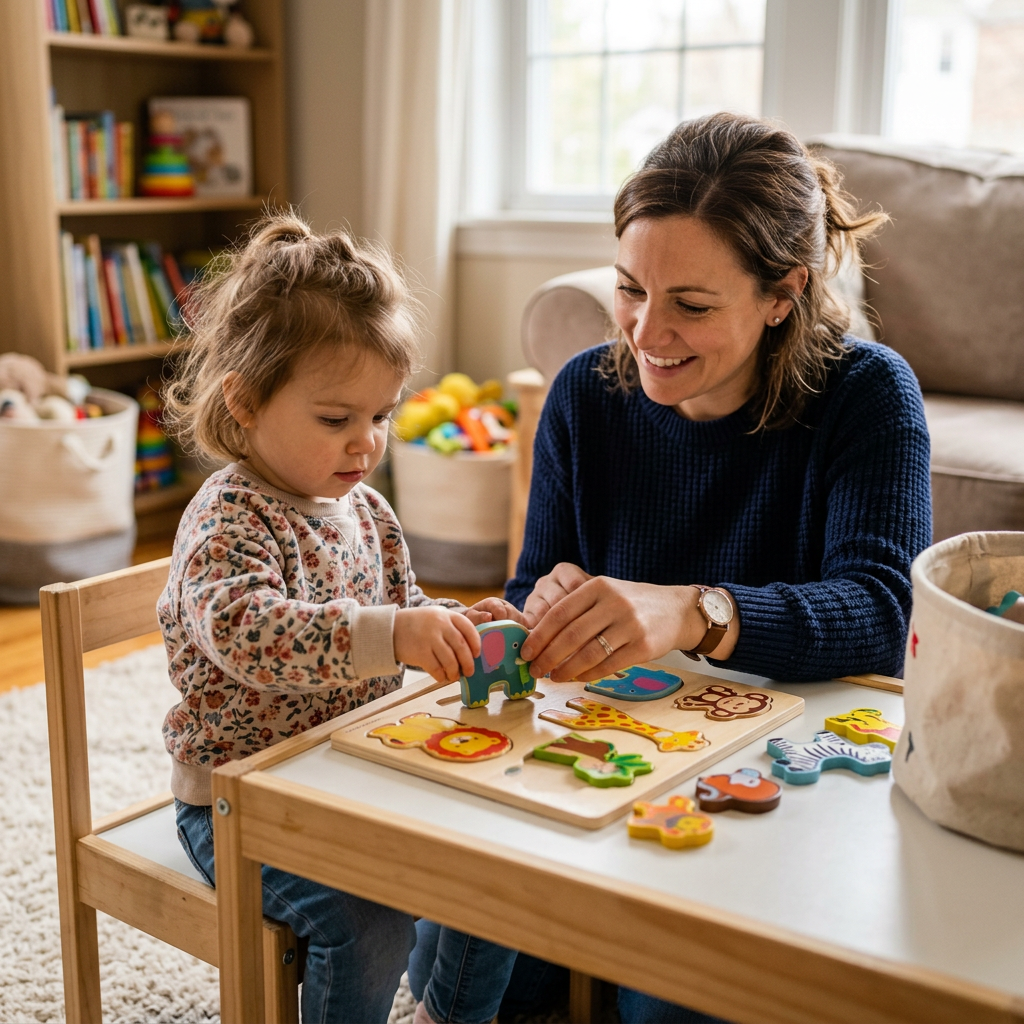
1. Simple Puzzles
Large wooden puzzles with animals, shapes, or vehicles help toddlers:
- Recognize patterns
- Solve problems
- Improve memory and matching skills
Start with puzzles that have only a few large pieces.
2. Reading Together
Reading aloud helps develop:
- Language and vocabulary
- Listening skills
- Memory and comprehension
Choose books with bright pictures, repetition, and simple questions like:
- “Where is the dog?”
- “What sound does the cow make?”
Some popular toddler books include:
- Brown Bear, Brown Bear, What Do You See?
- The Very Hungry Caterpillar
- Goodnight Moon

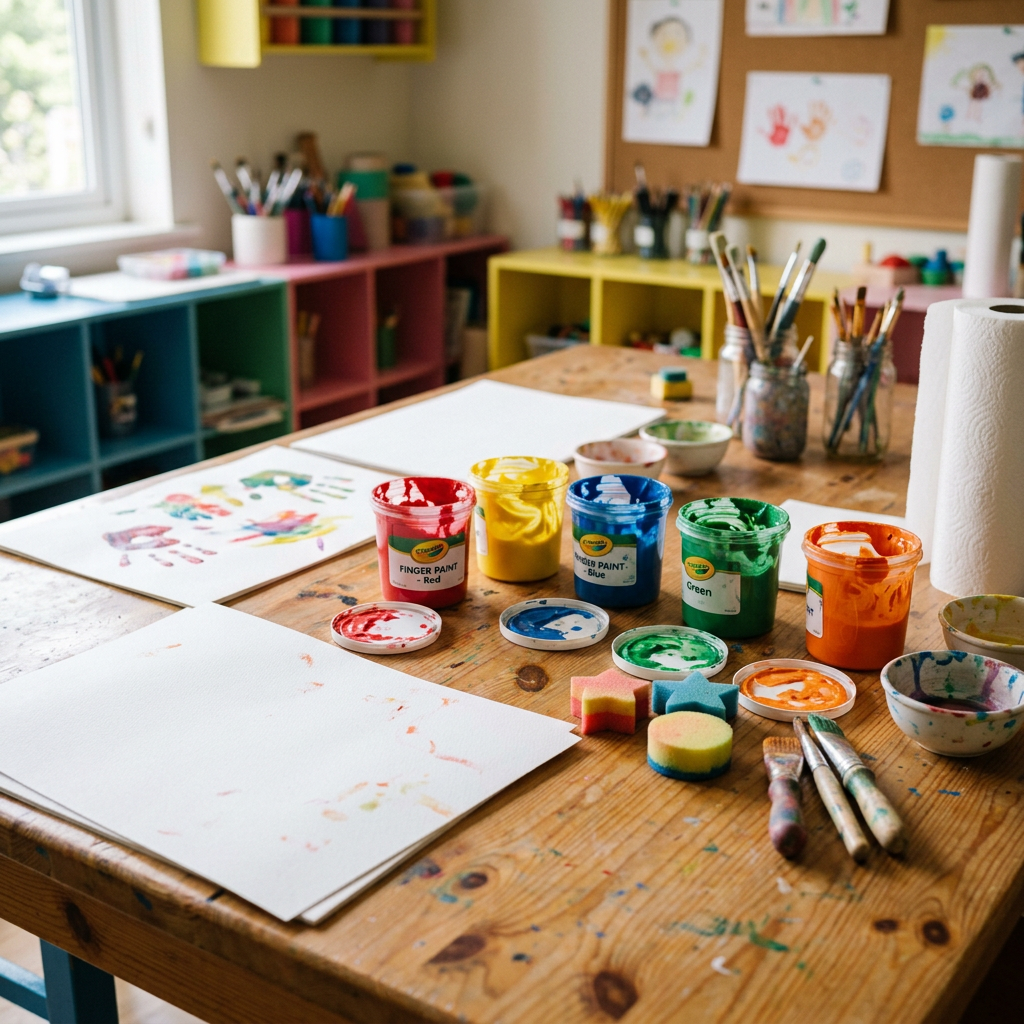
3. Finger Painting
Finger painting encourages:
- Creativity
- Sensory exploration
- Cause-and-effect learning
Toddlers learn that their actions create marks, colors, and patterns.
4. Building Blocks
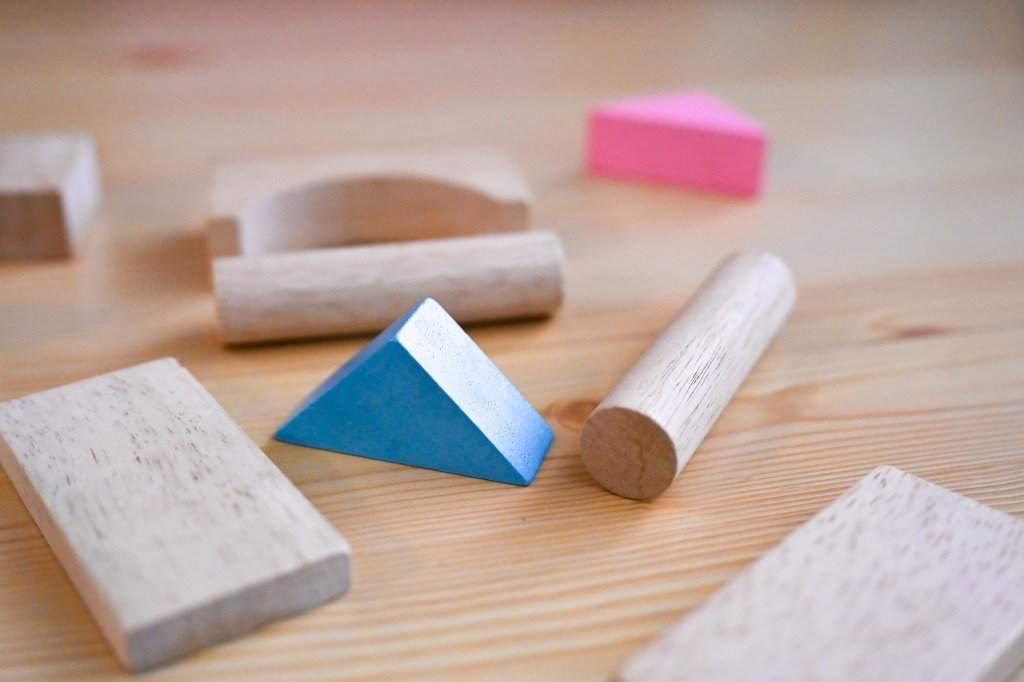
Stacking and knocking down blocks teaches:
- Spatial awareness
- Balance and planning
- Early math concepts like size and counting
Encourage your child to build towers or sort blocks by color.
5. Singing Songs with Motions
Songs with actions help toddlers remember words and sequences while building coordination.
Try classics like:
- “Itsy Bitsy Spider”
- “Head, Shoulders, Knees, and Toes”
- “Wheels on the Bus”
Repeating motions strengthens memory and listening skills.
6. Sorting Objects
Give toddlers safe objects to sort by:
- Color
- Shape
- Size
You can use pom-poms, blocks, toy animals, or cups. Sorting teaches classification and early reasoning skills.
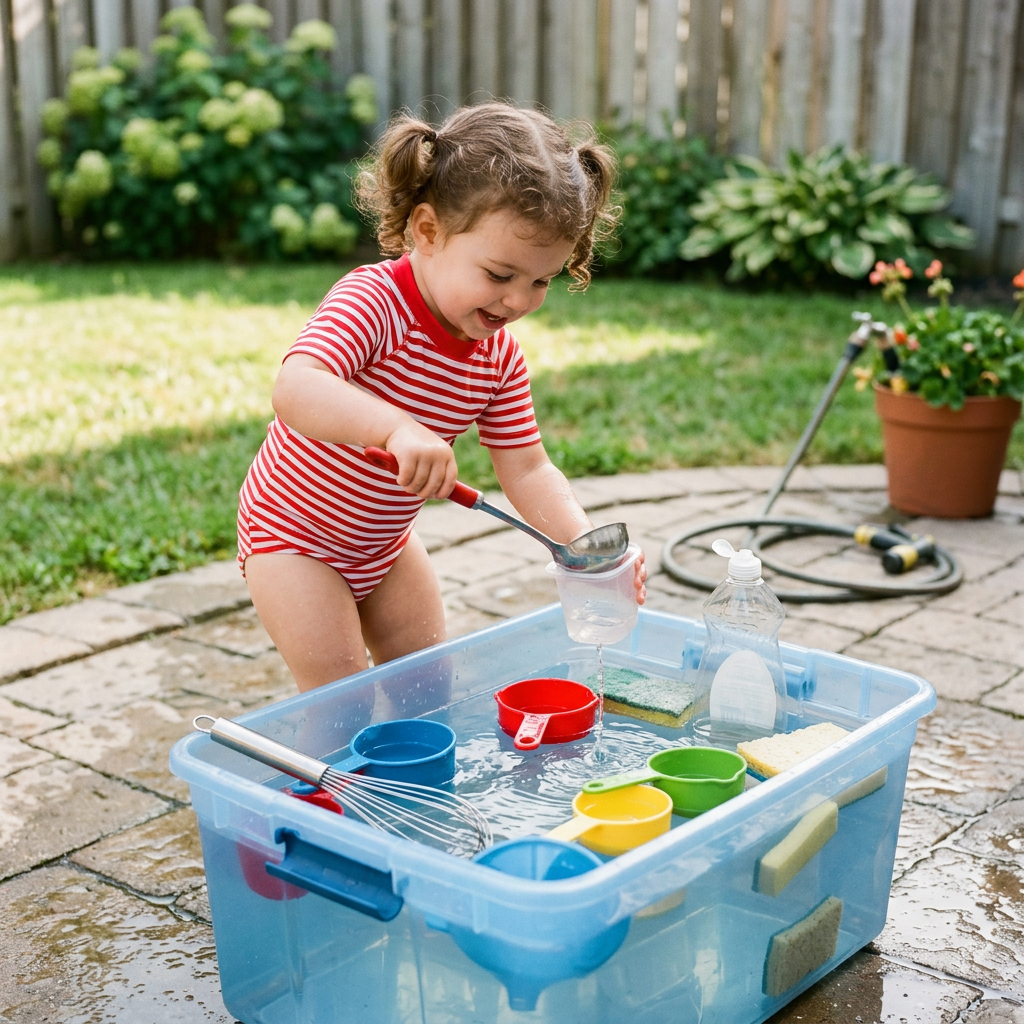
7. Water Play
Water play is excellent for exploration and problem-solving.
Provide:
- Cups
- Funnels
- Spoons
- Containers
Toddlers learn concepts like:
- Empty/full
- Sink/float
- Pouring and measuring
Always supervise closely around water.
8. Pretend Play
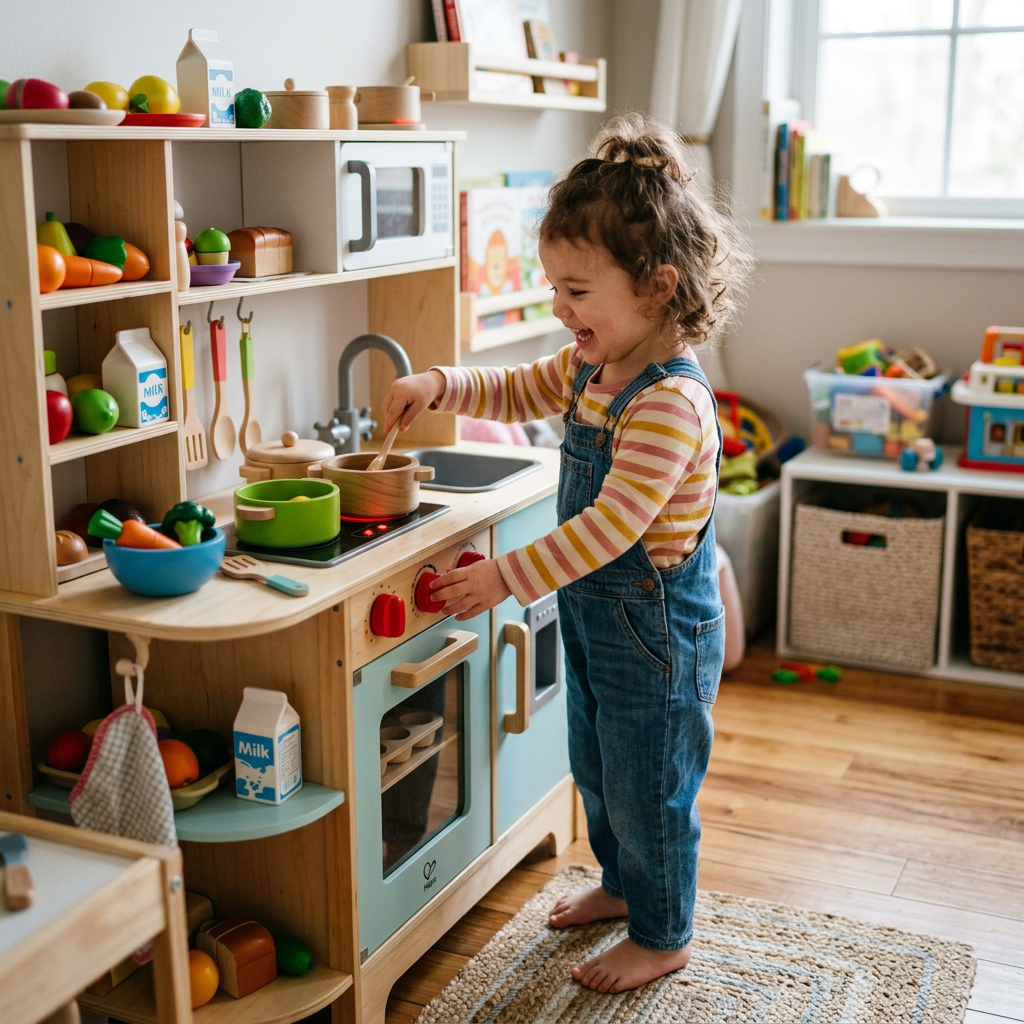
Pretend kitchens, baby dolls, toy animals, and cars help toddlers:
- Use imagination
- Practice memory
- Understand everyday routines
Simple pretend scenarios like feeding a doll or driving a toy car support cognitive and social development.
9. Nature Walks
Walk outside and talk about what your child sees:
- Birds
- Leaves
- Flowers
- Trucks
- Colors and sounds
Asking simple questions builds observation and language skills:
- “What do you hear?”
- “Can you find something green?”
10. 🧺 Matching Games
Matching activities help improve:
- Memory
- Attention
- Visual discrimination
Try matching:
- Socks
- Animal cards
- Colored cups
- Toy pairs
Keep it playful and simple.
💡 Tips for Encouraging Learning Through Play
- Keep activities short and flexible
- Follow your child’s interests
- Focus on exploration instead of perfection
- Repeat favorite activities often
- Offer encouragement and descriptive praise
At age 2, children learn best through hands-on experiences, repetition, and loving interaction. Simple everyday play can build a strong foundation for future learning and development.

 Tiny Hands Learn
Leave a comment